
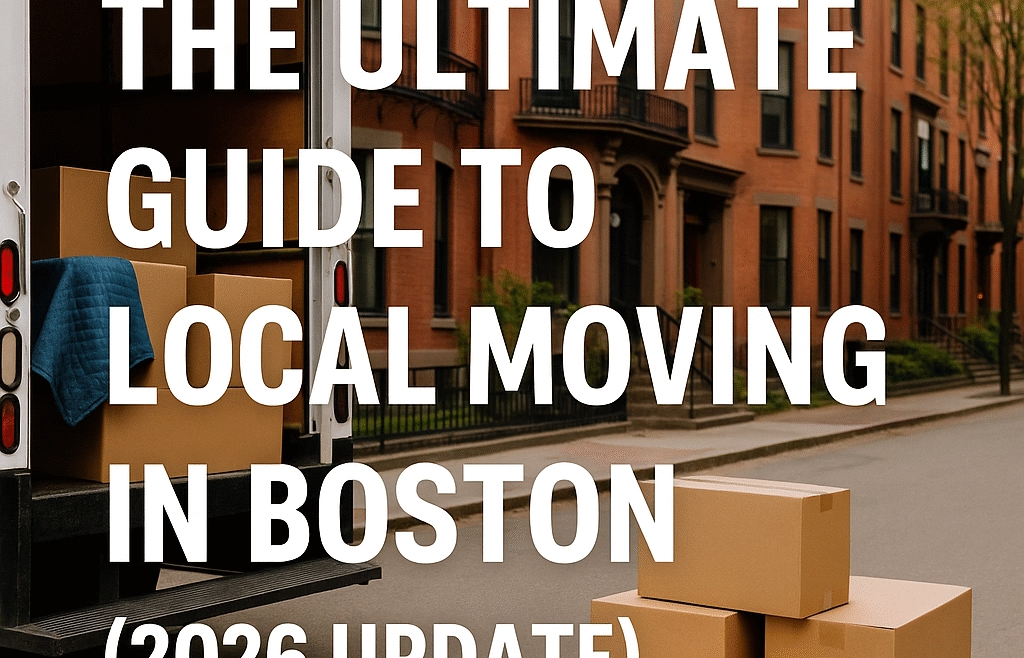
Moving locally in Boston may seem simple on the surface—after all, you’re not crossing states or packing your life into a long-haul truck. But the reality is that a short-distance move in Boston can be just as complex, time-sensitive, and logistically demanding as a long-distance relocation.
The city’s historic streets, dense neighborhoods, strict parking rules, unpredictable weather, and unique housing layouts create a scenario where preparation becomes essential.
Whether you’re moving across the street in Back Bay or transitioning from Cambridge to the Seaport District, each neighborhood presents its own challenges and rhythms.
Boston is a city where many residents live in multi-story walk-ups, brownstones built over a century ago, tight alleyways, and one-way streets that leave little room for improvisation. Elevators must often be reserved in advance, loading zones are limited, and certain buildings enforce strict move-in and move-out windows.
Add in Boston’s well-known traffic patterns—and the challenges increase dramatically during peak hours, Red Sox home games, or storm seasons.
For this reason, successful local moves in the city are less about distance and more about precise timing, coordination, and understanding how Boston truly works.
Why Moving Locally in Boston Requires a Different Kind of Preparation
On top of logistics, there’s also the emotional side of moving. Many people relocating within Boston are doing so due to job changes, shifting household needs, or simply looking for a better fit in one of the city’s diverse neighborhoods.
A move represents a fresh start, and having the right plan in place ensures that this transition feels exciting rather than overwhelming. This is why local residents increasingly rely on detailed moving guides: to stay ahead of surprises and manage the entire process with confidence.
This 2026 guide was designed specifically for Boston residents planning a local move, whether they’re moving from an apartment to a condo, upgrading to a larger home, downsizing, or simply relocating closer to work or school. It includes updated prices, city regulations, new neighborhood considerations, and practical checklists to help you prepare from start to finish.
You’ll learn how local moves are defined in Massachusetts, what costs to expect in 2026, how to pack efficiently, what permits you may need, and exactly what happens on moving day in a city with some of the most unique moving conditions in the U.S.
If you’re planning a move in Boston, this guide will help you navigate it step by step—so you can settle into your new home smoothly and confidently.
📞 If at any point you need guidance or want to organize your local move, call 978-872-4967.
Understanding Local Moves in Boston: What “Local” Really Means in 2026
A local move in Boston may look straightforward from the outside, but in reality, it has a very specific definition—and a unique set of challenges shaped by the city’s architecture, traffic patterns, and housing culture.
Understanding what qualifies as a local move, how Boston’s environment influences the process, and how it differs from a long-distance relocation will help you plan more effectively and avoid unexpected complications.

What Counts as a Local Move in Boston?
In Massachusetts, a move is generally considered local if it remains within the Greater Boston area and is completed within one day. Most moving companies define a local move based on:
- Distance: Usually under 50 miles between pickup and drop-off
- Time: Typically completed within the same day
- Billing: Charged at an hourly rate instead of a flat long-distance fee
Even if you’re only moving a few blocks—from Allston to Brookline, or from Beacon Hill to the North End—the movers treat it as a full local service because the logistics, labor, and time commitment can be substantial.
Boston’s dense layout means that short distances don’t always translate into short move times. A two-mile move might take longer than a six-mile move if parking access or building restrictions are tight. That’s why “local” in Boston refers more to logistical scope than mileage.
Boston-Specific Moving Challenges That Define a Local Move
Boston’s character influences every stage of a move. Here are the factors that most affect local relocations in 2026:
1. Narrow and Historic Streets
Many neighborhoods—such as Beacon Hill, Bay Village, and the North End—were not designed with modern moving trucks in mind. Tight corners, cobblestone streets, and limited loading zones slow down the process.
2. Three-Story Walk-Ups and Brownstones
A large portion of Boston housing consists of older buildings without elevators. Moves often involve:
- Steep staircases
- Narrow hallways
- Limited landing space
- Third- and fourth-floor walk-ups
These architectural constraints mean more labor, more time, and more planning.
3. Strict Parking Rules and Permit Requirements
Boston is known for heavy parking enforcement. In many neighborhoods, a moving truck cannot legally park without:
- A pre-approved parking permit
- Clear signage placed 48 hours before the move
- City-approved designated spots on public streets
Failing to secure a permit often results in delays, fines, or the need to carry items from farther away.
4. Traffic and Seasonal Weather
Local moves are especially influenced by:
- Morning and afternoon rush hours
- Back-to-school season in September (Boston’s “Moving Day”)
- Events near Fenway Park, TD Garden, or downtown
- Winter storms, freezing rain, or snow buildup
Even a short-distance move can be significantly affected by timing and weather conditions.
How Local Moves Differ from Long-Distance Moves in Massachusetts
While long-distance moves are planned around mileage and transportation logistics, local moves in Boston focus on:
Local = Labor & Access
The main challenges involve navigating buildings, securing parking, and transporting items efficiently in dense neighborhoods.
Long-Distance = Mileage & Transport
The emphasis is on interstate regulations, travel distance, and shipment coordination.
Local moves, despite their short distances, require more on-the-ground planning, especially in neighborhoods where streets were built centuries ago.
Final Insight
A local move in Boston is not defined by how far you travel—it’s defined by how well you navigate the city’s unique ecosystem. From walk-ups and parking permits to snowstorms and traffic, Boston requires preparation, flexibility, and a clear understanding of what “local” truly means.
Understanding Local Moves in Boston: What “Local” Really Means in 2026
A local move in Boston might sound simple, but the city’s structure, regulations, and unique housing style give the term “local” a meaning all of its own. In Boston, a move of just a few miles can require the same level of planning and coordination as a long-distance relocation.
Understanding how local moves are defined, what makes them unique, and how Boston-specific factors influence timing and cost will help you prepare with confidence.
What Counts as a Local Move in Boston?
In Massachusetts, a move is typically considered local if it stays within the Greater Boston area and is completed within a single day. Most professionals define a local move based on:
- Distance: Usually less than 50 miles
- Time: Completed in one day
- Pricing: Billed at an hourly rate rather than a flat interstate fee
However, in Boston, distance often has less impact on the duration of the move than street access, parking availability, and building conditions. A 2-mile relocation from Beacon Hill to the North End can take longer than a 20-mile move if parking is limited or stairs are steep.
This is why, in Boston, “local” is defined more by logistical complexity than mileage.
Boston-Specific Moving Challenges That Shape Local Moves
Boston is one of the oldest and most compact cities in the United States. This creates challenges that you won’t typically find in suburban or long-distance relocations.
Narrow and Historic Streets
Neighborhoods such as Beacon Hill, Bay Village, and parts of the North End feature streets built long before trucks existed. Movers must navigate:
- Tight, winding roads
- Limited turning space
- Cobblestone surfaces
- Limited curb space for loading
These conditions slow down the process and require strategic planning.
Three-Story Walk-Ups and Old Brownstones
Much of Boston’s housing stock consists of older buildings without elevators. This often means:
- Multiple steep flights of stairs
- Tight corners
- Narrow hallways
- Minimal landing space for large items
Labor intensity increases, and moves can take longer than expected.
Parking Rules and Required Permits
Boston enforces strict parking regulations. Movers often need:
- City-issued parking permits
- Signs placed 48 hours in advance
- Designated spaces for moving trucks
Without these permits, delays are common and fines are possible.
Traffic and Weather Considerations
Local moves in Boston are heavily influenced by:
- Rush hours
- University move-in season (especially September 1st)
- Event congestion around Fenway Park and TD Garden
- Winter snow, sleet, and frozen sidewalks
Even a short-distance move can be significantly delayed by the city’s seasonal conditions.
How Local Moves Differ from Long-Distance Moves in Massachusetts
Local moves focus on labor, access, and short-distance logistics, while long-distance moves focus on transportation, mileage, and interstate regulations.
In Boston specifically:
- Local moves require detailed planning around stairs, elevators, parking, and timing.
- Long-distance moves require coordination around routes, fuel, transport timelines, and legal compliance.
Even though the distance is small, a local Boston move can be equally demanding—sometimes more—than a long-haul relocation.
Final Insight
A local move in Boston is defined not by how far you travel, but by how well you navigate Boston’s historic architecture, dense urban layout, and seasonal challenges. By understanding these factors early, you’ll enter the rest of the moving process with the clarity and preparation needed for a smooth transition.
The True Cost of a Local Move in Boston (2026 Prices Explained)
Understanding the real cost of a local move in Boston in 2026 is essential for proper planning. While many people expect local moves to be inexpensive because of the short distance, the reality is that Boston’s density, architecture, and parking restrictions can significantly influence pricing. In this section, you’ll find realistic price ranges, updated cost factors, and examples based on the most common types of moves in the city.
Average Hourly Rates for Local Movers in Boston (2026 Update)
Most local moving companies in Boston charge by the hour. In 2026, average rates typically fall within these ranges:
- 2 movers + truck: $140–$185 per hour
- 3 movers + truck: $190–$260 per hour
- 4 movers + truck: $260–$330 per hour
These prices generally include:
- A moving truck
- Moving blankets and basic equipment
- Fuel within the local service radius
- Assembly and disassembly of furniture (basic items)
Some companies charge travel time (usually 1 hour) to cover the movers’ trip to and from your locations.
Key Factors That Influence Local Moving Costs in Boston
Several elements can increase or decrease the total cost of your local move. In Boston, the most influential factors are related to access and building conditions.
Stairs and Walk-Ups
Boston is filled with 3- and 4-story walk-ups, especially in neighborhoods like Allston, Brighton, Somerville, and Beacon Hill. More stairs typically mean:
- More time per piece
- Additional movers required
- Higher total cost due to labor intensity
Parking and Permit Requirements
If your street requires a parking permit for moving trucks (which many Boston neighborhoods do), costs may include:
- City permit fee ($70–$120)
- Printing and posting signs
- Additional time if parking is not available
Distance Between Door and Truck
If movers must carry items a long distance due to parking limitations, the move can take longer and cost more.
Size of the Home and Amount of Belongings
As expected:
- Studios move faster
- One-bedroom apartments take moderate time
- Larger apartments and multi-level homes require longer labor and more movers
Special Items
Items that often require extra time or specialized handling include:
- Pianos
- Large sectionals
- Oversized dressers
- Fitness equipment
- Safes or heavy tools
- Fragile antiques
These may add $100–$300 depending on complexity.
Typical Price Ranges for Common Local Moves in Boston
These estimates reflect Boston’s 2026 averages for standard moves with normal access:
- Studio apartment: $450–$750
- 1-bedroom apartment: $650–$1,000
- 2-bedroom apartment: $1,000–$1,700
- 3-bedroom apartment: $1,700–$2,500
- Single-family home: $2,000–$4,000 depending on size and floors
- Large home with stairs: $3,000–$6,000
These ranges assume proper parking access, standard furniture, and an average amount of belongings.
Hidden Costs to Watch For
Unexpected costs can appear if the move is not planned carefully. In Boston, the most common “hidden” costs include:
- Parking tickets for the truck
- Delays due to building management rules
- Fees for rescheduling elevator reservations
- Snow or weather-related delays
- Long carry charges when parking is far from the entrance
- Extra labor for disassembly beyond basic items
Being aware of these potential charges keeps your budget realistic.
Example Real-World Estimates (Boston 2026)
Here are three examples reflecting real moving conditions in Boston:
Example 1: One-Bedroom in South Boston → Seaport District
- Third-floor walk-up to elevator building
- Moderate amount of furniture
- Easy parking on pickup, permit required for drop-off
Estimated cost: $850–$1,200
Example 2: Two-Bedroom in Beacon Hill → Beacon Hill (3 blocks away)
- Fourth-floor walk-up both locations
- Narrow staircase
- Limited truck access
Estimated cost: $1,500–$2,300
Example 3: Family Move from Somerville House → Cambridge House
- Three-bedroom home
- Driveway access at both locations
- Standard furniture + kids’ items
Estimated cost: $2,200–$3,500
Preparing for Your Move: The Essential Boston Moving Checklist
Preparing for a local move in Boston requires more than just packing boxes. The city’s unique infrastructure, strict parking rules, and building requirements make early preparation essential.
The following step-by-step checklist is designed specifically for Boston residents to reduce stress, anticipate challenges, and stay organized from start to finish.

4–8 Weeks Before Your Move
Start With a Detailed Plan
Begin by creating a moving timeline. Consider:
- The exact date of your move
- Building rules and move-out windows
- Whether an elevator reservation is needed
- Possible weather conditions (especially winter or early spring)
Boston buildings, especially in Back Bay, Beacon Hill, and the North End, often have strict moving hours—typically 9 AM to 5 PM. Confirm early.
Research Moving Companies
Contact local movers for estimates. Ask about:
- Hourly rates
- Travel time charges
- Parking permit assistance
- Experience with your neighborhood’s layout
Make sure the company is licensed in Massachusetts and carries proper insurance.
Reserve a Parking Permit if Needed
In many Boston neighborhoods, you must request a parking permit through the city’s website at least two weeks before your move.
Important: Signs must be posted 48 hours in advance.
Sort and Declutter
Use this time to donate, sell, or discard items you no longer need. Moving less reduces time and cost.
2–3 Weeks Before Your Move
Start Packing Non-Essential Items
Pack things you don’t use daily:
- Books
- Seasonal clothing
- Extra kitchenware
- Decorations
Label all boxes with the destination room and brief contents.
Notify Utility and Service Providers
Schedule service transfers for:
- Electricity
- Gas
- Internet / cable
- Water (if applicable)
Boston internet providers often require time slots, so book early.
Confirm Building Requirements
Check whether your building requires:
- A certificate of insurance (COI) from the movers
- Elevator reservation
- Protective coverings for hallways or floors
- Specific loading zones
These rules vary widely across Boston’s neighborhoods.
48 Hours Before the Move
Prepare Parking Spaces
If you obtained a city parking permit, place the signs outside your building. Remove any cars occupying your reserved space.
Pack Your Essentials Box
Include:
- Toiletries
- Medications
- Chargers
- A change of clothes
- Cleaning supplies
- Important documents
This is the box you’ll open first in your new home.
Disassemble Furniture (If Necessary)
Beds, tables, and desks may need to be taken apart. Doing this ahead of time saves time on moving day.
Moving Day Checklist (Boston-Specific)
Be Ready Before the Movers Arrive
Have all boxes packed, labeled, and sealed.
Clear hallways and pathways.
Protect Entryways and Floors
Boston buildings—especially brownstones—often require floor protection due to age and fragility.
Guide Movers Through Building Logistics
Show the movers:
- Stairs
- Elevator access
- Tight hallways
- Best exit paths
In historic neighborhoods like Beacon Hill, access routes can be complex.
Monitor Parking and Traffic Conditions
Boston traffic can spike unexpectedly. If you know a street closure or event is happening that day, warn the moving crew.
Final Sweep of Your Old Home
Check all closets, cabinets, and storage spaces before leaving.
Printable Checklist Recap
- Confirm moving date and building rules
- Book movers and parking permits
- Pack early and label clearly
- Reserve elevators and request COI if needed
- Prepare an essentials box
- Post parking signs 48 hours before
- Have everything packed before movers arrive
- Protect floors and hallways
- Do a final walkthrough
Packing Smart: How to Pack Efficiently for a Local Boston Move
Packing for a local move in Boston requires a thoughtful approach. Even though you’re moving a short distance, Boston’s narrow staircases, historic brownstones, and unpredictable weather make efficient packing essential.
Good packing not only saves time and money—it also protects your belongings from the unique challenges of Boston’s architecture and seasons.
A Room-by-Room Packing Strategy That Works in Boston
A structured, room-by-room plan keeps your packing organized and reduces last-minute stress. This approach is especially helpful in Boston’s compact apartments where space is limited.
Kitchen
The kitchen often takes the longest to pack. Focus on:
- Wrapping fragile items individually
- Using smaller boxes to prevent weight overload
- Packing dishes vertically for strength
- Labeling boxes “FRAGILE – KITCHEN” clearly
For Boston walk-ups, lighter boxes help movers navigate tight staircases more safely.
Living Room
Protect electronics and large items:
- Use original TV boxes when possible
- Remove bulbs from lamps
- Wrap artwork in padded blankets
- Carefully secure cables and remotes
Older buildings—especially in Beacon Hill or North End—often have narrow doorways, so measure large furniture before moving day.
Bedrooms
Pack clothing using:
- Wardrobe boxes for hanging items
- Suitcases for heavier clothes
- Vacuum-sealed bags for seasonal storage
Boston residents often store winter gear separately—this is the perfect moment to organize it.
Bathroom
Pack toiletries and cleaning products tightly to prevent leaks. Use:
- Zip-top bags
- Towels to cushion bottles
- One small, clearly labeled essentials bag for move-in night
What to Pack Last in Boston Apartments
In a city where unexpected obstacles can appear—like street closures, sudden snow, or traffic jams—it’s important to keep key items accessible until the very end.
Pack these items last:
- Essential cleaning supplies
- Chargers and small electronics
- Daily medications
- Basic tools (screwdriver, Allen key, tape)
- A small set of dishes and utensils
- Weather-appropriate clothing for moving day
Having quick access to warm clothing is essential during Boston’s winter months.
Winter Packing Considerations for Boston Residents
Moving during winter is extremely common in Boston, and preparation makes all the difference.
Protect Items from Temperature Changes
Electronics, wooden furniture, and instruments can be affected by cold temperatures. Use:
- Padded blankets
- Plastic wrap for moisture protection
- Insulated covers if temperatures are below freezing
Plan for Snow and Slush
Keep on hand:
- Waterproof bins for fragile items
- Towels to prevent water damage
- Heavy-duty mats at doorways
These precautions help protect your belongings and your new home’s floors.
Common Packing Mistakes Boston Residents Should Avoid
Even experienced movers see the same mistakes happen over and over in the city. Avoid these pitfalls:
Overpacking Large Boxes
In walk-ups with narrow stairs, heavy boxes slow down the move and increase the risk of damage.
Not Labeling Clearly
In buildings with shared hallways or multiple floors, unlabeled boxes easily get misplaced.
Leaving Drawers Full
Old brownstones can have steep staircases—furniture must be lighter and easier to maneuver.
Ignoring Weather Risks
A sudden snowstorm can delay your move; waterproofing items makes a big difference.
Underestimating Time Needed
Packing takes longer than expected, especially in apartments with limited space.
Tips for a Stress-Free Apartment Move in Boston
Apartment moves in Boston come with a unique set of challenges: walk-ups, narrow staircases, strict building rules, unpredictable parking, and seasonal weather that can change within hours.
Whether you’re relocating from a compact studio in Allston or a spacious apartment in Back Bay, these practical tips are designed to help you move efficiently, safely, and with as little stress as possible.
Navigating Walk-Ups, Brownstones, and Multi-Story Buildings
Boston is famous for its historic architecture—but that charm often translates into difficult moves. Most buildings, especially in neighborhoods like Beacon Hill, North End, and South End, lack elevators and have tight staircases.
How to Make Walk-Up Moves Easier
- Use smaller boxes to reduce weight
- Disassemble furniture beforehand
- Measure furniture and doorways early
- Wrap fragile items thoroughly for bumpy stairwells
- Keep staircases clear for mover access
If your building is a classic brownstone, expect extra time and effort when moving large furniture or navigating steep, narrow stairs.
Parking Realities in High-Density Boston Neighborhoods
Finding legal parking in Boston can be more challenging than the move itself. Many residents in Cambridge, Back Bay, or Jamaica Plain know that parking availability often determines how smoothly the move goes.
Tips to Avoid Parking Problems
- Secure a moving permit as early as possible
- Post signs exactly 48 hours before your move
- Use cones or markers to keep the space open
- Monitor the reserved spot early in the morning
- Inform neighbors or building staff about moving-day activity
Without a designated space, movers may be forced to park farther away, which increases labor time and overall cost.
Managing Moves During Boston Winters
Winter moves are extremely common in Boston since many leases renew in January or February. Snow, ice, and freezing temperatures add complexity.
Winter Move Strategies
- Clear walkways and stairs of snow or ice
- Place mats at entry points to protect floors
- Use plastic bins for fragile items
- Keep winter clothing accessible
- Be prepared for possible weather-related delays
Boston winters can change quickly; always monitor forecasts during the week of your move.
Handling Same-Day, Last-Minute, and Emergency Moves
Life happens—leases end abruptly, roommates change plans, or unexpected situations arise. Boston sees many same-day moves, especially among students and renters.
Tips for Last-Minute Moves
- Pack essentials first
- Declutter aggressively to speed up packing
- Use ride-share or local storage if you’re short on time
- Document apartment condition before leaving
- Choose a mover with experience in fast-paced Boston logistics
High-demand times, such as late August and early September, may limit availability, so acting quickly is crucial.
Reducing Stress in Compact Apartments
Boston apartments—especially in North End, Allston, and Fenway—tend to be small and creatively designed. Limited space can make packing and staging more stressful.
Space-Saving Tips
- Pack vertically to create more floor room
- Break down furniture early
- Store packed boxes in corners or hallways
- Clean as you go to stay organized
- Coordinate with roommates to avoid congestion
Planning your layout ahead of time also makes moving into the new apartment more efficient.
Frequently Asked Questions About Local Moving in Boston (2026)
How far is considered a local move in Boston?
A move is considered local when it stays within roughly 50 miles of Boston and can be completed within the same day.
However, in Boston, the term “local” refers less to mileage and more to navigating the city’s dense streets, parking rules, and building logistics.
How much does a local Boston move usually cost in 2026?
Most local moves range from $450 to $4,000, depending on the size of the home, number of movers, stairs, parking access, and neighborhood restrictions. Boston-specific challenges—like walk-ups and permit requirements—often influence the final price.
Do I need a moving permit for my street in Boston?
In many neighborhoods, yes. Streets in Back Bay, Beacon Hill, North End, South End, Charlestown, and South Boston typically require moving permits. These must be requested in advance and posted 48 hours before the move.
Is moving in Boston harder than other cities?
In many ways, yes. Narrow streets, historic buildings, strict parking rules, and unpredictable weather make Boston one of the more challenging cities for local moves. Proper planning makes all the difference.
What’s the best time of day to move in Boston?
Early morning is ideal. Traffic is lighter, parking spots are more available, and building elevators (when available) are easier to reserve. Avoid peak traffic hours—especially downtown, Seaport, and around university zones.
Can I move in winter, or should I wait?
You can move in winter, and many Boston residents do. Just prepare for snow and icy conditions. Use waterproof bins, clear walkways, and allow extra time in case of delays. Winter moves often require more protective materials.
Do movers handle walk-ups in Boston?
Yes. Most Boston movers are experienced with 3- and 4-story walk-ups. However, stairs increase labor time, so expect a longer move and slightly higher cost compared to elevator-access buildings.
How can I reduce the cost of my local move?
You can lower costs by:
- Packing everything yourself
- Disassembling furniture ahead of time
- Reserving legal parking near your home
- Decluttering before the move
- Labeling boxes clearly
Good preparation is the easiest way to keep your move efficient.
How early should I book movers in Boston?
Ideally 3–6 weeks in advance. During busy seasons—September 1st, early summer, and university move-in periods—you may need to book even earlier.
How long does a local move typically take?
Most Boston moves take 3 to 7 hours, depending on the size of the home and access conditions. Walk-ups, long carries, and parking challenges can extend the timeline.
Do buildings in Boston have move-in/move-out rules?
Many do. High-rises and managed buildings often require elevator reservations, Certificates of Insurance (COIs), protective coverings, and specific move-in time windows. Always check with building management in advance.
onclusion — Your Smooth Boston Move Starts with the Right Plan
A local move in Boston is much more than a short trip from one neighborhood to another. It’s a transition shaped by the city’s unique character—its historic buildings, lively streets, tight parking, changing seasons, and diverse communities.
Whether you’re moving into a classic Back Bay brownstone, a modern Seaport high-rise, or a cozy Somerville apartment, preparation is your greatest ally.
This guide has walked you through every crucial step: understanding what a local move means in Boston, budgeting realistically, planning week by week, packing efficiently, securing permits, navigating building rules, and knowing exactly what to expect on moving day.
With the right strategy in place, a local move becomes more than a logistical task—it becomes an opportunity to restart your daily life with clarity, comfort, and confidence.
As you prepare for your next chapter, remember that each Boston neighborhood offers its own rhythm and charm.
Embrace the process, stay organized, and give yourself the time and space to settle in comfortably. Moving is a fresh beginning, and in a city as dynamic as Boston, that beginning can be incredibly rewarding.
If you ever feel unsure, overwhelmed, or simply want to make the process easier, a professional team can walk you through every step—packing, planning, and navigating the unique challenges of the city—so you can focus on what matters most: enjoying your new home.
Ready to plan your move?
For guidance, support, or to coordinate your Boston moving day with experienced professionals, call today: 978 872 4967.
